Screen Recorder - AZ Recorder
- 4.7
- Rating
- 100.00M
- Installs
- Free
- Price

 Analysis by App-foxy
I use screen recorders when a screenshot is too limited: showing a setting to a family member, saving a short lesson, documenting a problem, or recording a game session that is difficult to explain with words. Screen Recorder - AZ Recorder is built for those moments on Android, with a straightforward approach that makes starting a capture feel less like a technical task and more like pressing a useful shortcut. After spending time with it, I found that its biggest strength is not flashy editing; it is the way it brings recording, audio, and basic video handling into one familiar mobile workflow.
Developed by AZ Screen Recorder, this free app sits in the video players and editors category and is suitable for Everyone. It has been available since November 11, 2014, and its current version is 6.7.9, requiring Android 6.0 or later. Its popularity is easy to understand: it has passed 100 million installs, holds a 4.8 average from around 2 million ratings, and has about 57 thousand written reviews. Those figures do not replace personal testing, but they do show that this is a mature tool rather than an experimental recorder.
How AZ Recorder fits into everyday mobile recording
I find AZ Recorder most useful when I know what I want to show but need a clear way to capture it without interrupting the task. The choice is less about recording everything and more about making a short clip that another person can follow. From there, I can prepare the screen and decide what the viewer needs to hear before I start.
You May Also Like

 Blood Strike: 2.5 Anniversary
Blood Strike’s Loadouts Turn Every Drop Into a Tactical Gamble
A close look at Blood Strike’s custom loadouts: how fast access to signature weapons reshapes its battle royale rhythm, rewards preparation, and narrows the gap between fights.

 Pandora - Music & Podcasts
Pandora’s Music Is Easy to Start, but Harder to Recover
Pandora’s strength is its low-effort path from a seed to a station. Its weak spot is how much confidence it asks you to place in connection, setup, and quiet recovery.

 8 Ball Pool
 Is Built on Rivalries, Rematches, and Routine
A close look at the rivalries, rematches, shared routines, and unanswered safety questions that turn a quick pool match into a persistent mobile community.

 Samsung Music
’s Quiet Strength Is Playing What You Already Own
Its reach comes less from spectacle than from dependable access to a personal library. That simplicity is both the app’s strongest retention engine and its ceiling.

 AccuWeather: Weather Radar
AccuWeather Review: A Quick, Clear Forecast for Everyday Decisions
For everyday plans, the best forecast is the one you can understand quickly. AccuWeather makes rain timing, radar, and local conditions easy to act on, with a few trade-offs.

 Hill Climb Racing
Why Hill Climb Racing Still Turns Crashes Into One More Run
A tiny car, a bumpy hill and one more upgrade: Hill Climb Racing keeps resurfacing because its simple chaos makes every near-miss feel personal.
More From Our News Desk
View All News


Starting a recording without breaking your workflow
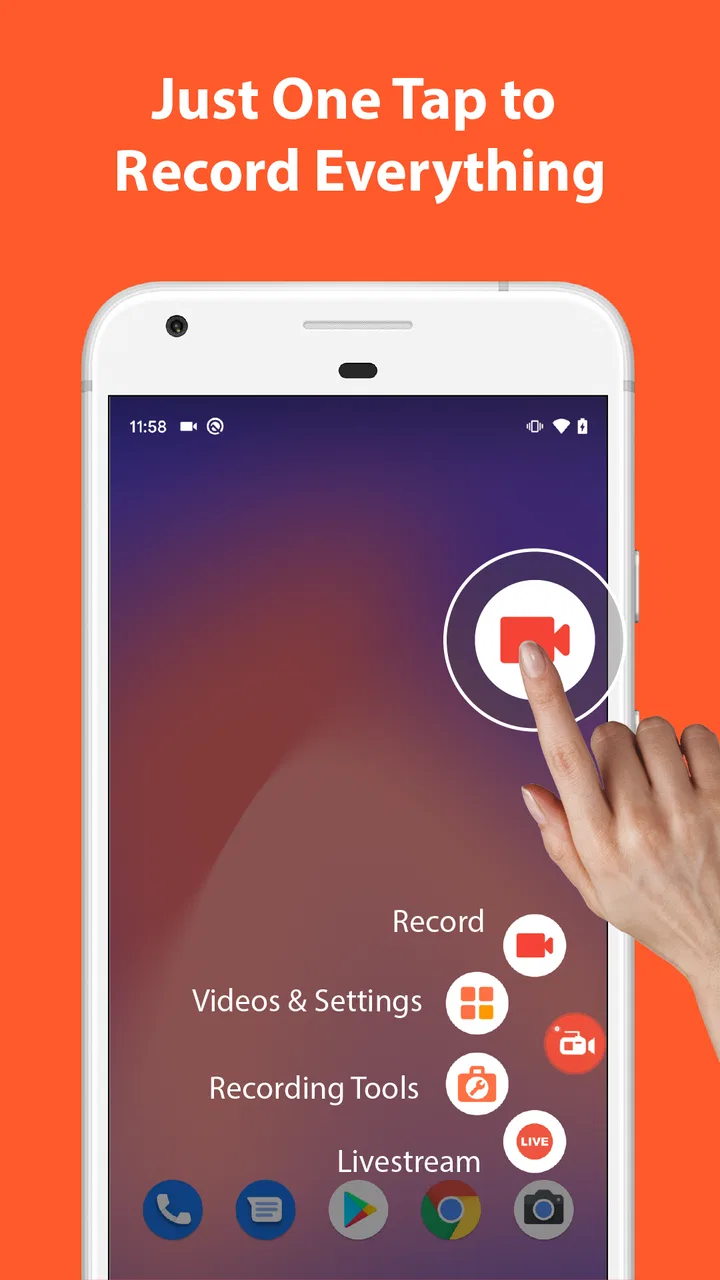
The first thing I appreciate is the low mental effort. When I want to capture something on my phone, I do not want to move through several menus, adjust complicated production settings, and then discover that I recorded the wrong screen. AZ Recorder is designed around quick access, so it suits spontaneous tasks particularly well. I can prepare the screen, begin recording, and concentrate on the content instead of the recorder itself.
That simplicity matters most when the recording is meant for another person rather than a public audience. For example, if a relative cannot find a setting, I can demonstrate the exact taps while speaking over the video. A written explanation often misses small visual details, while a recording makes the sequence clear. The same approach works for showing a colleague how to reproduce an app problem or saving a short walkthrough for later reference.
It is also useful for creators who work mainly from a phone. A mobile game clip, an app tutorial, or a quick demonstration can be captured without moving immediately to a computer. I would not treat it as a full desktop production suite, but that is not where it feels strongest. Its value is in reducing the distance between “I should record this” and an actual usable video.
Audio is more important than the picture
The store summary describes an all-round screen recorder with audio, and in practical use that emphasis is justified. A screen capture without understandable sound is often only half useful. When I record instructions, my voice gives context to each action; when I capture a game, sound helps preserve the feel of the moment. Before starting an important session, I recommend making a very short test recording and playing it back with headphones. That catches microphone or system-audio problems before they affect the real clip.
Audio also changes how I plan a recording. If I am explaining a process, I keep my wording short and leave a small pause between steps. This makes the result easier to follow and gives me cleaner points at which to trim later. If I am recording something that already has important sound, I avoid talking over it unless commentary is the purpose. The app makes recording convenient, but good results still depend on deciding what the viewer needs to hear.
There is a practical trade-off here. A phone is a compact recording studio, but it is also handling the app being recorded, the capture process, and possibly audio processing at the same time. Long or demanding sessions can be less predictable than short demonstrations. I use a brief test whenever the recording matters, especially before a live explanation, a game attempt, or a support report that would be difficult to repeat.
Where connectivity enters the experience
A screen recorder does not need a social feed to be useful, but connectivity still affects the complete experience around it. The capture itself is a local phone activity from the user’s point of view, while the material being recorded may depend on an active connection. An online lesson, a streaming page, a multiplayer match, or a cloud-based document can change if the network becomes unstable. In those situations, the recorder may faithfully capture a loading screen, a frozen conversation, or a sudden quality drop because that is what appeared on the display.
That is why I separate recording preparation from network preparation. If I need to demonstrate an online service, I open the relevant page first, check that the content has loaded, and close unnecessary apps that might compete for attention. I also avoid beginning a long capture while the phone is switching between networks. This is not a special setting inside AZ Recorder; it is a simple habit that prevents the recording from becoming a record of connection trouble instead of the intended subject.
Connectivity also matters after recording. A large video can be awkward to send immediately, particularly on a limited mobile plan. I prefer to review the clip first, remove anything unnecessary, and share it when I have a reliable connection. That approach saves data and avoids uploading a recording that contains a false start, a private notification, or several minutes of waiting.
Useful mobile situations beyond gaming
Gaming is an obvious use, but I think the app is more broadly valuable for everyday support. Imagine trying to explain a banking-app navigation problem to someone who is not beside you. A short capture with voice guidance can show where the menu is, which icon to select, and what the next screen should look like. The recipient can replay it instead of asking the same question repeatedly.
Students can use the same workflow for a quick explanation of a digital whiteboard, a presentation rehearsal, or a sequence inside an educational app. Small businesses and freelancers may find it useful for recording a product demonstration or showing a client how to use a mobile feature. The best recordings are usually focused: one problem, one solution, and no unnecessary wandering through unrelated screens.
On a phone, interruptions are more likely than on a dedicated recording setup. Calls, messages, alerts, battery warnings, and accidental touches can all affect the final video. Before I record, I enable the phone’s quietest practical notification state, clear sensitive information from view, and keep the session shorter when possible. These steps are especially important when the clip will be shared outside my own device.
What happens when a recording goes wrong
The most frustrating recording failures are often discovered at the end. A clip may have the wrong audio, an unwanted opening, or a section where I was still preparing the screen. My recovery method is deliberately cautious: I make a short test, stop it, inspect the result, and only then begin the full session. This costs little time and is far better than repeating a long demonstration.
If a network-dependent app behaves badly during capture, I first decide whether the problem is part of what I need to show. If it is not, I stop, restore the connection, and begin again rather than trying to explain around a broken screen. For a troubleshooting report, however, the failure itself may be valuable evidence. In that case, I keep the recording focused and narrate what happened, including the point at which the behavior changed.
Mobile storage is another practical concern. Screen video can accumulate quickly, especially when I forget to review older clips. I treat the recorder as the first step in a small workflow: record, inspect, keep the useful section, and remove the rest. If a video needs to be shared, I send the final version rather than every attempt. This is more efficient and reduces the chance of exposing unrelated material.
Recovery is also about expectations. AZ Recorder makes capturing convenient, but it cannot make a weak network strong, prevent every interruption, or turn a poorly planned demonstration into a clear tutorial. The app gives me the recording tool; I still need to control the scene. That distinction is important for anyone expecting a completely automatic result.
Being careful with data and privacy
Because recording is so easy to start, I pay attention to what appears on screen. Notifications can reveal names, message previews, verification codes, or calendar details. A recording intended to show one app can accidentally include another service in a pop-up. I check the visible screen before pressing record and review the beginning and end of the clip before sharing it.
Data-conscious use also means thinking about the destination. A short instructional clip may be fine to send over a mobile connection, while a long game recording is better handled later on a trusted Wi-Fi network. I do not upload everything automatically. I keep only the clips that have a clear purpose, and I avoid recording sensitive screens unless the capture is genuinely necessary.
There is a subtle advantage to this selective approach: it improves the quality of the library on the phone. Instead of collecting dozens of near-identical attempts, I keep a small set of understandable videos with descriptive names or an obvious context. That makes the app more useful over time, particularly when I need to find an old demonstration quickly.
Free access and the paid layer
AZ Recorder is free to use, which makes it easy to try without committing money first. Optional in-app purchases range from $2.49 to $17.99 per item. I see that arrangement as reasonable for users who only need occasional captures, while frequent creators may want to examine which extras are included in the paid layer before building a regular workflow around them.
My advice is not to pay simply because recording feels useful on the first day. Start with the free experience, test the audio you need, record the type of content you actually make, and decide whether the additional options solve a real problem. Someone recording a few support clips a month may never need more. Someone producing regular mobile tutorials may value a more complete editing process, but should compare that need with a dedicated editor or a computer-based setup.
How it compares with built-in recording and editors
Many Android phones include a built-in screen recorder, and that can be the better choice when I need only a fast, occasional capture. A system tool may feel more integrated and may involve fewer decisions. For a one-off screenshot-in-motion, I would use whichever option is already easiest to reach.
AZ Recorder becomes more appealing when I want a repeatable workflow around recording and audio rather than a single emergency clip. Its long presence on Android and large user base give it the feel of a dedicated utility, not a feature I might forget exists. I also prefer a specialized recorder when I expect to make several demonstrations and want the process to feel consistent from one session to the next.
On the other hand, people who need advanced timelines, layered sound, detailed color work, or polished publishing tools should look toward a dedicated video editor. A recorder can create the raw material, but it is not automatically the best place to complete a professional production. I often use a simple capture tool for the screen and a separate editor when the final video needs more deliberate shaping.
Who should use it, and who should skip it
I recommend AZ Recorder to Android users who regularly explain things visually, capture mobile gameplay, create short tutorials, or document app behavior. It is particularly suitable for people who want to record from the phone without learning a complicated production system first. The Everyone content rating also makes it approachable for a broad audience, although adults should still teach younger users to avoid recording private conversations or personal information.
I would be more hesitant to recommend it to someone who records sensitive material and needs a tightly controlled professional capture environment, or to a creator whose work depends on extensive post-production. It may also be unnecessary for a person who records only once in a while and already has a comfortable built-in recorder. In those cases, adding another app may not improve the result.
My connectivity verdict
The strongest reason to choose AZ Recorder is control over the moment of capture, not dependence on an online service. It helps me turn a mobile screen into a clear explanation, a saved demonstration, or a shareable clip, while the quality of the final result still depends on the phone, the audio setup, the content being recorded, and the network conditions around that content.
After using it, I see it as a practical middle ground: more purposeful than a forgotten system shortcut, but less ambitious than a full editing workstation. The free entry point makes experimentation easy, and the established Android presence gives it credibility. My only real caution is to plan the recording instead of assuming the app will solve every interruption, storage issue, audio mistake, or connectivity problem.
If you want a dependable way to capture mobile instructions, app behavior, or gameplay and you are willing to spend a few seconds checking audio, notifications, and network stability, I think it is a strong choice. If your needs are extremely occasional, the built-in alternative may be enough; if your needs are professional production, pair the capture with a stronger editor. For everyone in between, Screen Recorder - AZ Recorder remains a useful, approachable tool that earns its place on an Android phone.
FAQs for Screen Recorder - AZ Recorder
01What features does AZ Screen Recorder offer for free?
AZ Screen Recorder provides a range of free features that include unlimited screen recording time, the ability to record in full HD, and the option to use the front camera while recording. Additionally, users can capture screenshots and edit videos directly within the app, making it a comprehensive tool for basic recording needs.
02Does AZ Screen Recorder require root access to function?
No, AZ Screen Recorder does not require root access on your device. The app is designed to work seamlessly on both rooted and non-rooted devices, allowing users to enjoy all its features without the need for complex setup or modifications to their phone's software.
03Are there any in-app purchases or ads in AZ Screen Recorder?
While AZ Screen Recorder is free to download, it includes in-app purchases and advertisements. The premium version unlocks additional features such as ad removal, GIF creation, and more advanced editing tools. Users can choose to upgrade for a more enhanced and ad-free experience.
04Can AZ Screen Recorder capture internal audio on Android devices?
Yes, AZ Screen Recorder can capture internal audio on Android devices running version 10 and above. This feature allows you to record the sound from within your device, making it ideal for creating tutorials, gameplays, and other content where audio clarity is important.
05Is it possible to livestream using AZ Screen Recorder?
Yes, AZ Screen Recorder supports livestreaming to platforms like Facebook, YouTube, and Twitch. This feature is great for gamers and content creators who want to broadcast in real-time. Users can customize their stream settings, including resolution and bitrate, to optimize their livestreaming experience.
Pros
- Easy-to-use interface for beginners.
- No watermark on recorded videos.
- Supports high-quality video output.
- Records internal audio seamlessly.
- Offers live streaming options.
Cons
- Contains in-app ads.
- Some features require payment.
- High battery consumption.
- Not available on all devices.
- Limited editing tools.

Screen Recorder - AZ Recorder
Gallery